Obtenez un devis
Chaque avancée majeure de la civilisation a été façonnée par les progrès réalisés dans le domaine des matériaux et de la fabrication. Aujourd'hui, alors que les robots humanoïdes passent de la science-fiction à la réalité, leur avenir dépendra non seulement d'algorithmes plus performants, mais aussi d'une production plus fiable.
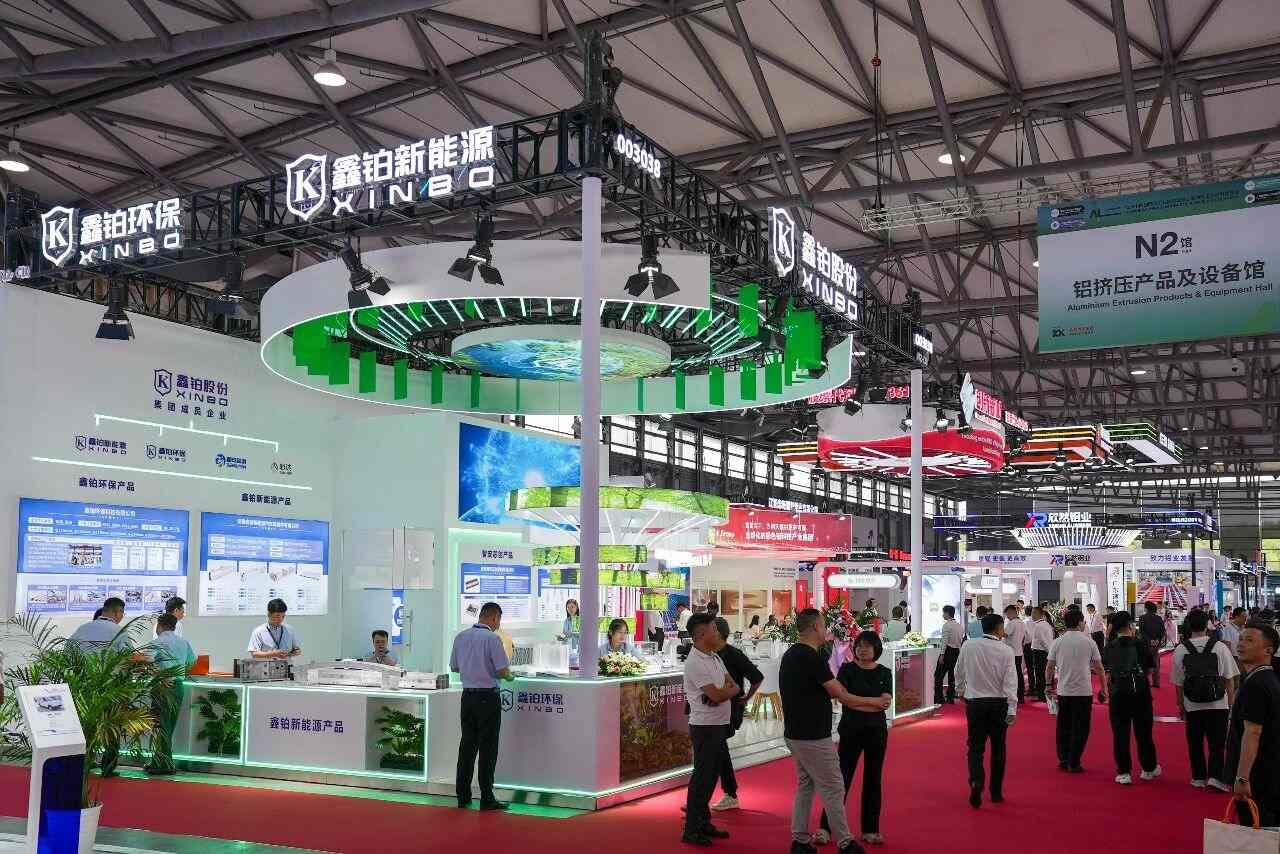
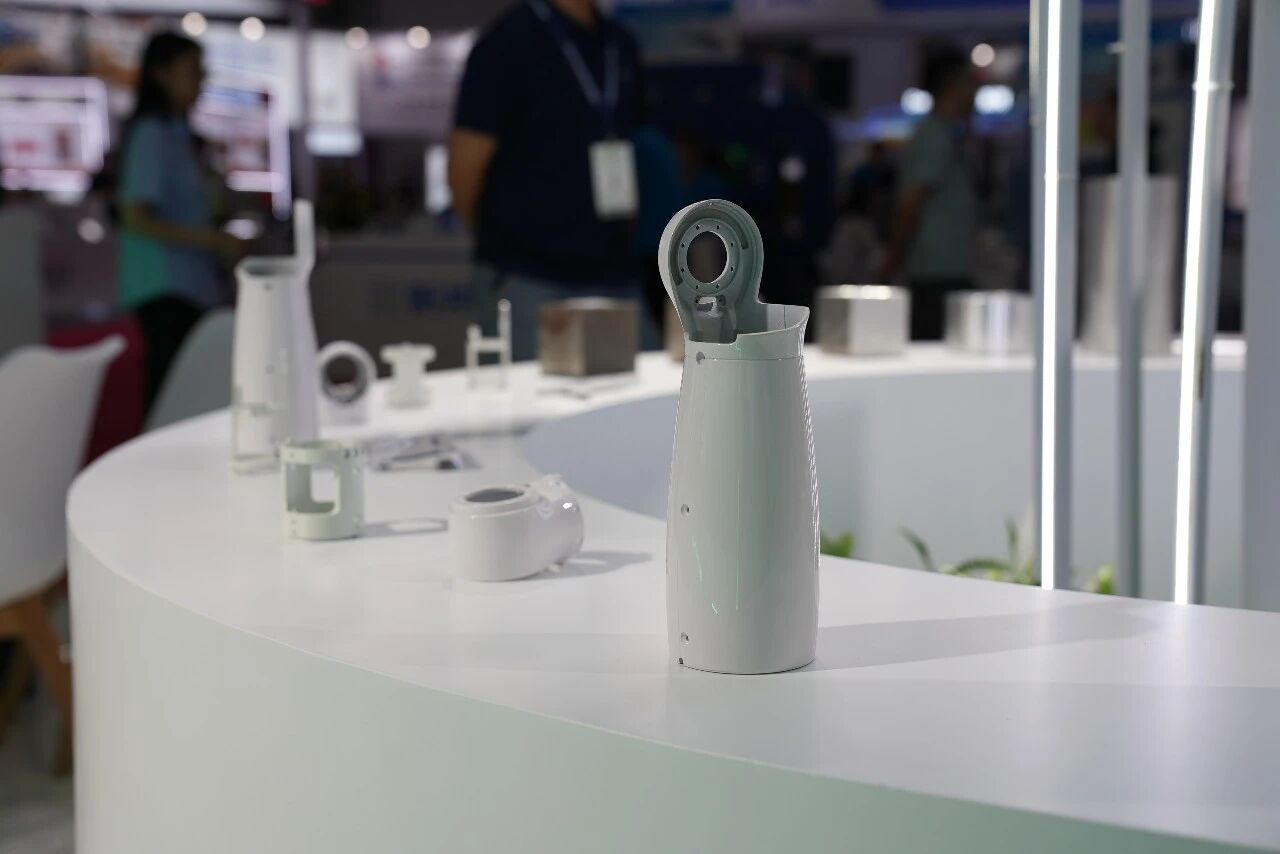
Le 8 juillet, sur le stand N2-C10 du Shanghai New International Expo Centre, les composants robotiques en alliage de magnésium exposés par Bida New Energy, une filiale de Xinbo, notamment les coques extérieures du bras supérieur, les coques intérieures du bras supérieur et les liaisons de coude, ont attiré une attention considérable de la part des professionnels du secteur.
Dans le même temps, Tesla accélère la production d'Optimus en série, avec un objectif à long terme d'un million d'unités par an. Cela marque un tournant décisif : les robots humanoïdes passent du stade de prototype à celui de production industrielle.
La compétition ne se résume plus à des algorithmes plus performants. Il s'agit désormais de savoir qui est capable de mettre en place un système de production fiable et de transformer des prototypes en produits à grande échelle. Cette évolution se fait déjà sentir en amont de la chaîne d'approvisionnement. Lors de l'édition de cette année, on a pu observer une présence accrue de bras robotisés, de connecteurs et de boîtiers de précision, illustrant ainsi l'intégration de l'aluminium et du magnésium dans de nouvelles applications.
Dans ce contexte, Xinbo étend son expertise en matière de matériaux légers et de fabrication de précision au secteur de la robotique.
1. Pourquoi l'alliage de magnésium pourrait-il être la clé de robots humanoïdes plus légers ?
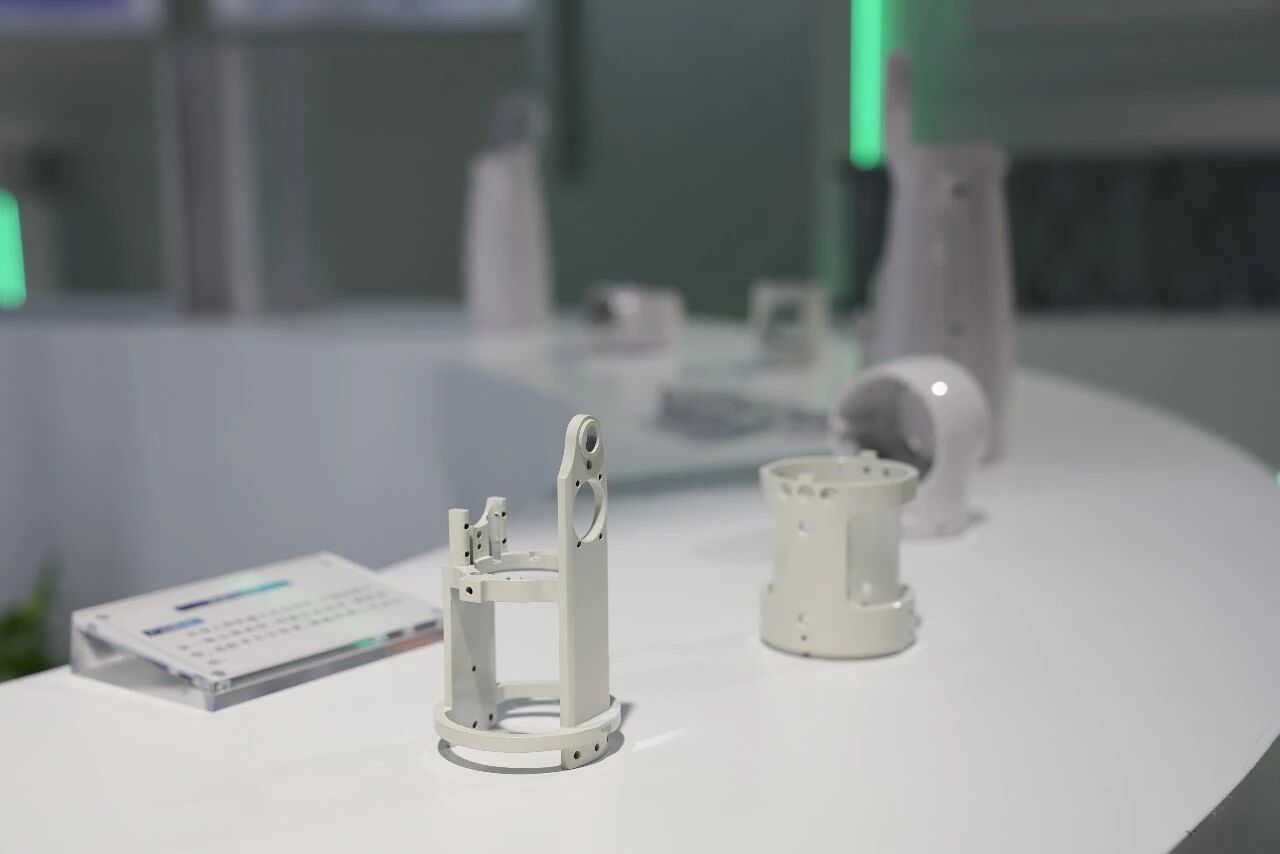
Lors de l'exposition de cette année, Builder a présenté plusieurs composants d'articulations de robots, notamment les boîtiers intérieurs et extérieurs du bras et les articulations du coude.
Les carters de bras supérieur et les biellettes de coude sont fabriqués en alliage de magnésium AZ91D. Ils sont formés par un procédé de moulage sous pression semi-solide de 350 tonnes, suivi d'un usinage CNC des zones clés telles que les surfaces de montage et les trous de connexion. Bien que la biellette de coude soit relativement petite, sa fabrication exige un équilibre précis entre résistance structurelle, précision de positionnement des trous et ajustement lors de l'assemblage, ce qui impose des exigences élevées tant au formage qu'à l'usinage ultérieur.
Pourquoi un alliage de magnésium ?
Sa densité représente environ 63 % de celle d'un alliage d'aluminium, tout en offrant une résistance à la traction de 230 à 255 MPa, une limite d'élasticité de 155 à 170 MPa et un allongement de 4 à 7 %. L'alliage de magnésium permet de réduire le poids des modules d'articulation de robots d'environ 20 à 30 % par rapport à un alliage d'aluminium, tout en conservant la résistance nécessaire aux mouvements fréquents. Ceci contribue à réduire la consommation d'énergie et à prolonger la durée de fonctionnement.
2. De la R&D aux produits finis : un système de fabrication en boucle fermée
Transformer les atouts des matériaux en produits concrets exige plus que le matériau lui-même. Cela dépend également d'un formage fiable, d'une maîtrise dimensionnelle et d'une production à grande échelle.
Builder a mis en place un système d'innovation rapide couvrant le développement des matériaux, l'optimisation des processus et l'itération des produits, soutenu par des plateformes telles que le Laboratoire clé provincial d'Anhui pour les technologies légères des véhicules à énergies nouvelles et le Laboratoire de technologie de moulage sous pression hautement intégré.
Ses capacités de production couvrent la R&D et la conception, le moulage sous pression, l'usinage de précision CNC, le prétraitement et la passivation, le revêtement en poudre automatisé et le traitement environnemental, permettant une production personnalisée en une seule étape, du développement du produit à la livraison finale.
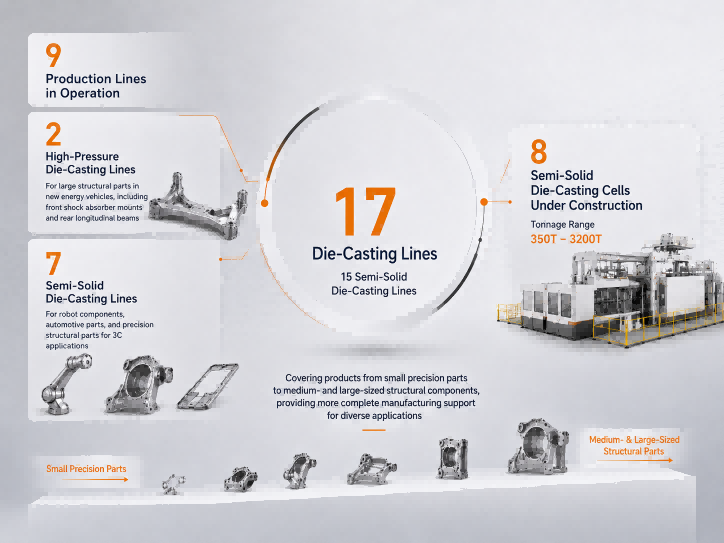
L'entreprise Builder développe actuellement 17 lignes de production de fonderie sous pression, dont 15 lignes de fonderie semi-solide, parmi lesquelles 9 sont déjà opérationnelles. Une fois pleinement opérationnelle, sa capacité de production de fonderie semi-solide permettra de fabriquer des pièces allant des petites pièces de précision aux composants structurels de moyenne et grande taille, offrant ainsi un soutien à la fabrication plus étendu pour différentes applications.
3. De l'expertise automobile à la frontière de la robotique
Builder a déjà fourni des composants à de nombreux constructeurs automobiles et fabricants de pièces détachées du secteur des véhicules à énergies nouvelles.
Le développement de composants automobiles exige une intégration étroite des matériaux, de la conception structurelle, de l'outillage, du formage et de l'usinage. Cette longue expérience a permis à Builder de se diversifier dans le domaine de la robotique.
Les exigences fondamentales restent les mêmes, qu'il s'agisse d'un composant structurel automobile ou d'une pièce de robot : des matériaux fiables, des procédés précis et une fabrication à grande échelle.
Builder transforme désormais son expertise accumulée en matière d'allègement automobile en nouvelles capacités de développement de produits pour l'industrie robotique.
4. Lorsque les robots humanoïdes se développent à grande échelle, le secteur manufacturier prend les devants.
À mesure qu'Optimus se rapproche d'un objectif de production d'un million d'unités, la question pour la chaîne d'approvisionnement passe de « Avons-nous une solution ? » à « Pouvons-nous transformer cette solution en un produit concret ? »
La course à la robotique humanoïde ne se jouera pas uniquement sur les algorithmes et les modèles. Dès le début de la production de masse, l'outillage, les équipements, les procédés et chaque composant essentiel devront être validés à plusieurs reprises et, au final, faire leurs preuves à grande échelle.
Les boîtiers de bras supérieurs, les biellettes de coude et les pièces de précision exposés aujourd'hui ne sont peut-être qu'un début.
La chaîne d'approvisionnement en composants est-elle prête ?
La réponse ne réside pas dans un slogan. Elle se trouve à chaque étape, du prototype au produit, et de la production pilote à la fabrication en série.
Du 8 au 10 juillet, rendez-vous sur le stand N2-C10 de Xinbo au Shanghai New International Expo Centre pour découvrir les composants robotiques et les capacités de fabrication légère de Builder.
Quel rôle jouera selon vous l'allègement des composants des robots humanoïdes ? Participez à la discussion.
Laissez un message
Maison
Produits
contact