Obtenez un devis
Cet été semble plus imprévisible que d'habitude.
Chaque changement de régime du typhon Bavi nous tenait en haleine ; les inondations au Guangxi ont suscité une profonde tristesse, perceptible même à distance. Les fortes pluies persistantes, les typhons et les risques d’inondations mettent constamment à l’épreuve nos capacités de fonctionnement urbain, de production industrielle et de gouvernance sociale.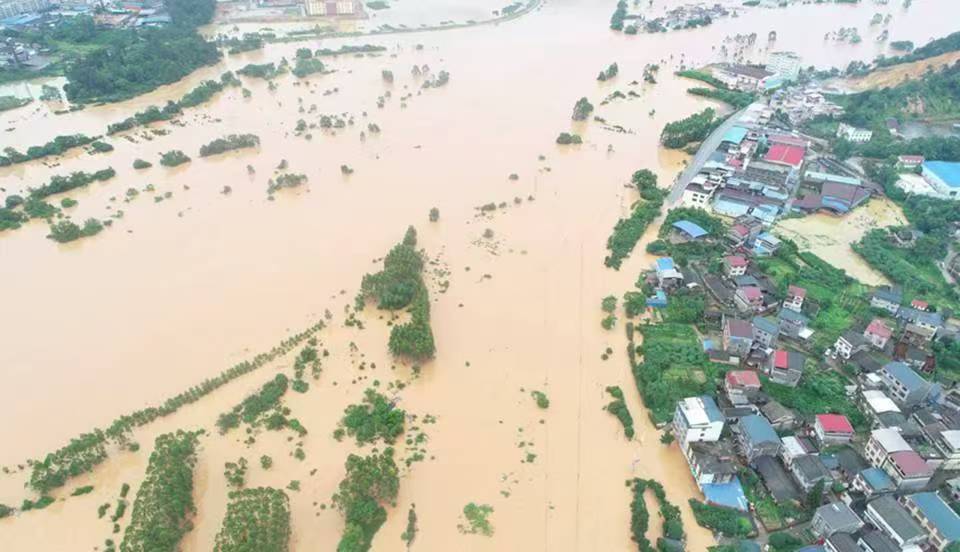
La formation d'un typhon ou d'un épisode de fortes pluies est influencée par une multitude de facteurs et ne peut être attribuée simpliste au changement climatique. Cependant, la tendance à long terme est indéniable. Selon le Livre bleu sur le changement climatique en Chine 2025, de 1961 à 2024, les épisodes de températures et de précipitations extrêmes en Chine ont globalement connu une augmentation.
Le changement climatique se manifeste par des variations météorologiques, mais il reflète en fin de compte une transformation profonde des systèmes énergétiques et des modèles de développement. Depuis longtemps, la dépendance de la production d'énergie, de l'industrie et des transports aux énergies fossiles est une source majeure d'émissions de gaz à effet de serre. Promouvoir la transition du mix énergétique vers une économie plus propre et moins carbonée est donc devenu un enjeu de développement commun à la communauté internationale.
Pour l'industrie manufacturière, les réponses à ce défi doivent aller au-delà de simples propositions et se traduire par des actions concrètes couvrant l'optimisation du mix énergétique, la sélection des matériaux, l'amélioration de l'efficacité de la production et la gestion de la chaîne d'approvisionnement.
1. Mix énergétique : Intégrer davantage d'électricité propre dans le secteur manufacturier
D'après les données publiées par l'Administration nationale de l'énergie (NEA), la capacité installée de production d'électricité à partir d'énergies renouvelables en Chine aura dépassé 2,4 milliards de kW fin avril 2026, soit 60,5 % de la capacité totale installée du pays. La capacité cumulée raccordée au réseau pour l'énergie éolienne et photovoltaïque atteindra 1,911 milliard de kW.
L'expansion continue des capacités installées d'énergies renouvelables a permis au secteur industriel de réduire ses émissions de carbone lors de la consommation d'énergie. Toutefois, la valeur de l'énergie verte ne se mesure pas uniquement au nombre de centrales construites, mais surtout à sa capacité à être efficacement absorbée et acheminée vers la production industrielle, les transports et la vie quotidienne.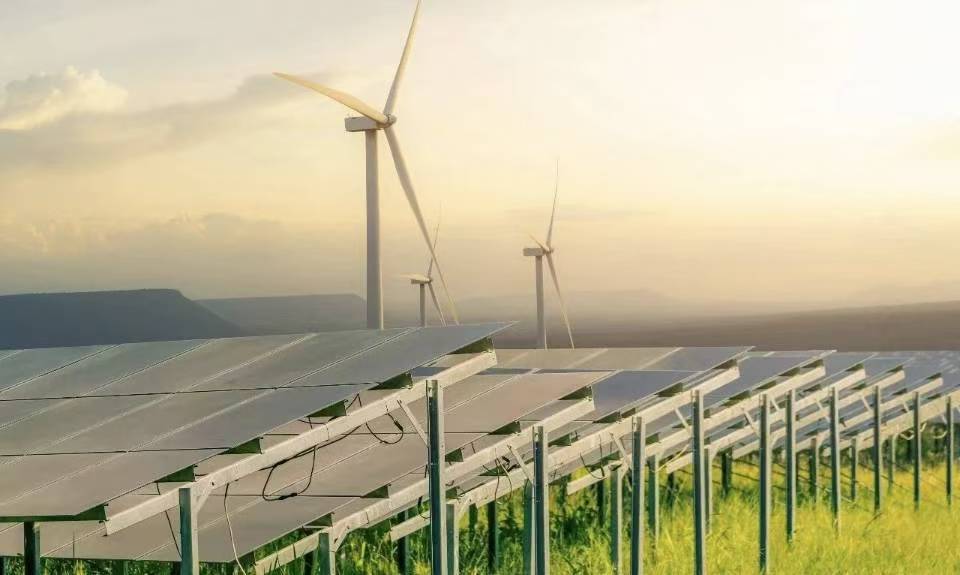
2. Processus de production : réduire la consommation de ressources grâce à l'efficacité
La transformation écologique de l'industrie manufacturière doit en fin de compte se mesurer à l'aune des améliorations en matière d'efficacité énergétique et d'utilisation des ressources.
Grâce à la modernisation des équipements, l'optimisation des processus, la gestion numérique de l'énergie, la logistique verte et le recyclage des matériaux, les fabricants peuvent réduire leur consommation d'énergie par unité produite, diminuer l'utilisation des ressources et minimiser leur impact environnemental. La production verte ne se résume pas à apposer un label écologique sur un produit ; il s'agit d'offrir une plus grande valeur ajoutée avec moins de ressources.
3. Empreinte carbone : garantir que les allégations environnementales soient mesurables et vérifiables
Le rapport d'étape sur le Développement du système de gestion de l'empreinte carbone des produits (2026) publié par le ministère de l'Écologie et de l'Environnement (MEE) souligne que la gestion de l'empreinte carbone des produits en Chine accélère son développement vers un cadre complet couvrant les normes comptables, la certification des étiquettes carbone et les systèmes de divulgation d'informations.
À l'avenir, un produit ne sera plus défini uniquement par sa qualité, ses performances, son prix et son délai de livraison. Il devra également répondre à de nouvelles questions : d'où proviennent les matières premières ? Quelles sources d'énergie ont été utilisées pour sa production ? Et quelles émissions de carbone ont été générées lors de sa fabrication et de son transport ?
L'analyse du bilan carbone transforme l'industrie verte, d'un engagement conceptuel à une pratique mesurable, comparable et traçable. Ce faisant, elle obligera les entreprises à repenser en profondeur leur consommation d'énergie, l'approvisionnement en matières premières, leurs processus de production et la gestion de leur chaîne d'approvisionnement.
4. À propos de Xinbo : Vers une production plus écologique
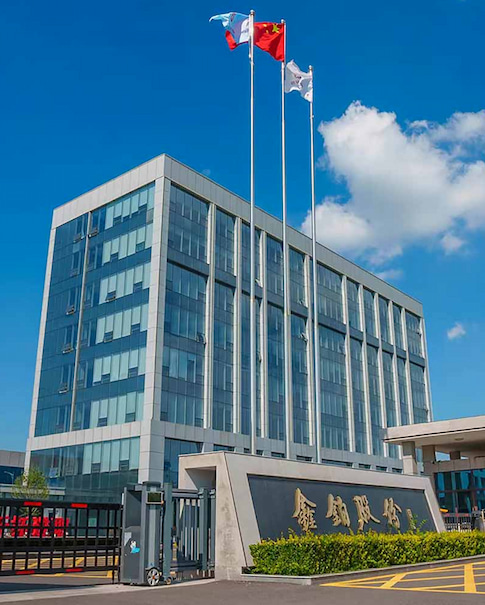
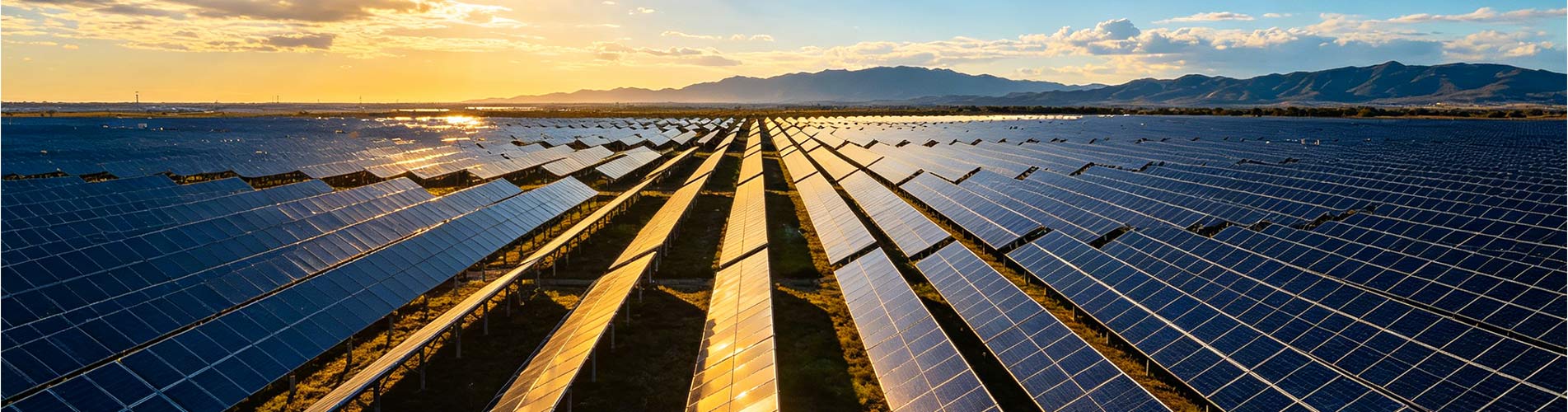
Forte de cette conviction, Xinbo Aluminum Co., Ltd. n'a cessé de promouvoir une production écologique et l'économie circulaire des matériaux. D'une part, nous servons les industries vertes telles que le photovoltaïque et les véhicules à énergies nouvelles ; d'autre part, nous recyclons, régénérons et réutilisons les déchets d'aluminium, réintroduisant ainsi des matériaux dans le système de production. Cette double approche crée un cercle vertueux industriel vert, synergique et étendu, allant des applications des énergies renouvelables à la valorisation des matériaux recyclés.
Parallèlement, Xinbo continue de perfectionner son système de fabrication écologique mesurable et traçable, axé sur l'adoption d'énergies propres, le contrôle de l'intensité de la consommation d'énergie et la gestion de l'empreinte carbone des produits, traduisant progressivement l'orientation stratégique du développement écologique en normes de fabrication tangibles.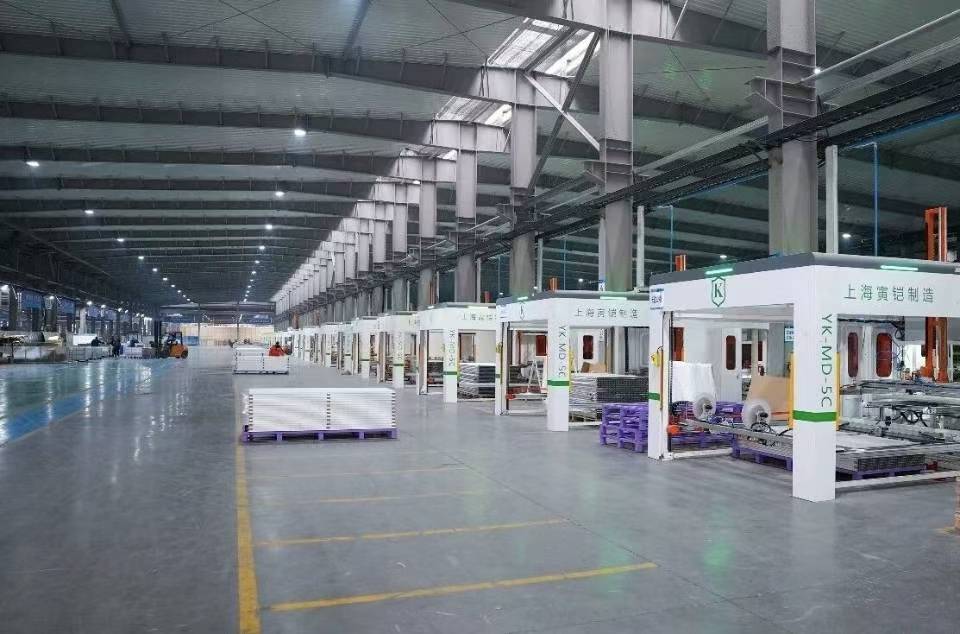
5. La tempête passera, mais l'action ne doit pas cesser.
Les efforts d'une seule entreprise ne peuvent arrêter une pluie torrentielle, pas plus que les défis environnementaux mondiaux ne peuvent être relevés par un seul pays ou secteur d'activité à eux seuls. Néanmoins, chaque choix énergétique, chaque tonne de matériau recyclé et chaque pratique de réduction des émissions contribuent collectivement à façonner la trajectoire du développement futur.
L’idée que « des eaux limpides et des montagnes luxuriantes sont des atouts inestimables » ne représente pas un compromis entre développement et protection de l’environnement, mais bien une transformation profonde du modèle de développement. Le climat et l’environnement ne connaissent pas de frontières, et la transition écologique n’est jamais l’œuvre d’un seul pays, secteur ou entreprise.
Une utilisation plus propre de l'énergie, un recyclage plus complet des matériaux, une comptabilisation plus précise des émissions : voilà comment le secteur manufacturier répond à l'appel de la responsabilité environnementale mondiale et construit un avenir partagé pour tous.
Laissez un message
Maison
Produits
contact